What makes DISC so powerful?
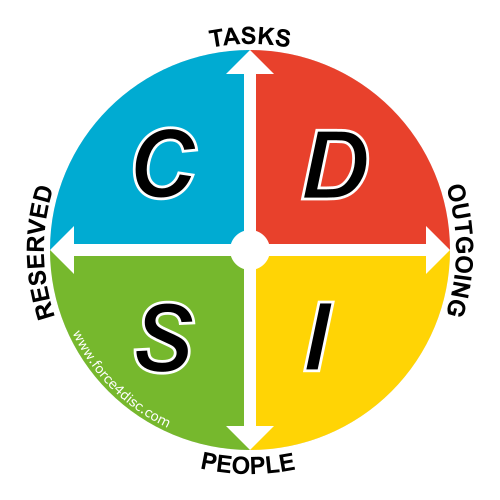
The 4 components of your profile
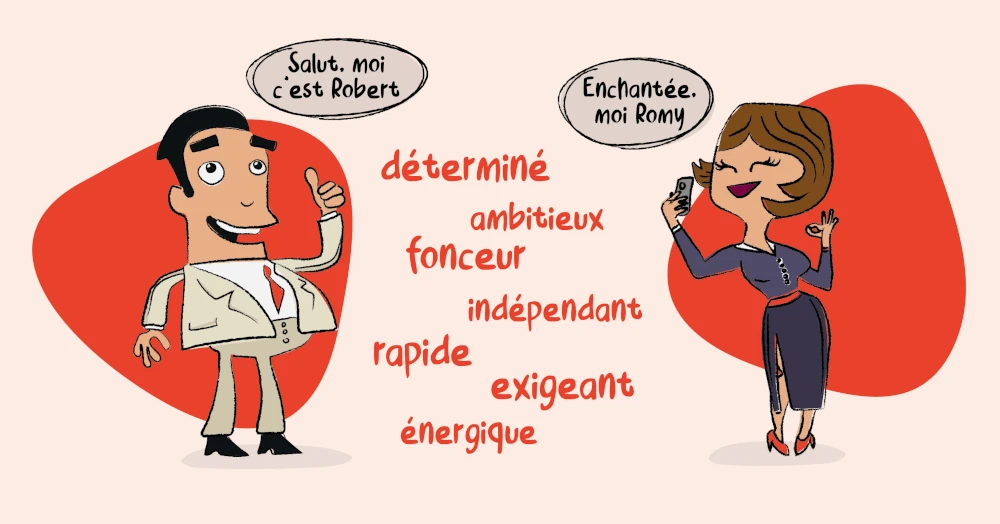
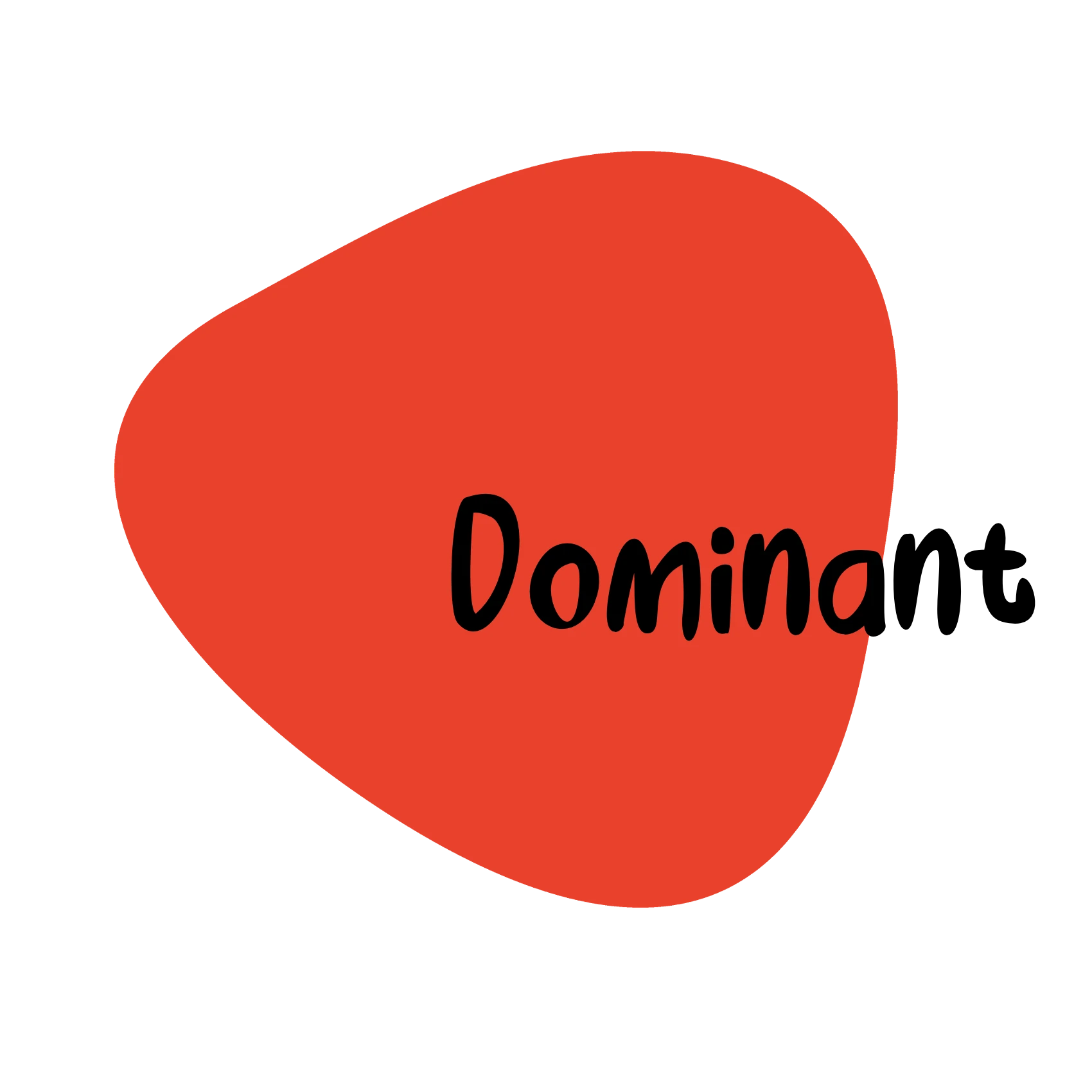
A DOMINANT profile can be recognized by:
- Their positive energy and tenacity.
- Their ambition and how much they enjoy challenges.
- Their focus on the objectives ahead.
- The fact they are straight-talkers and make decisions fast.
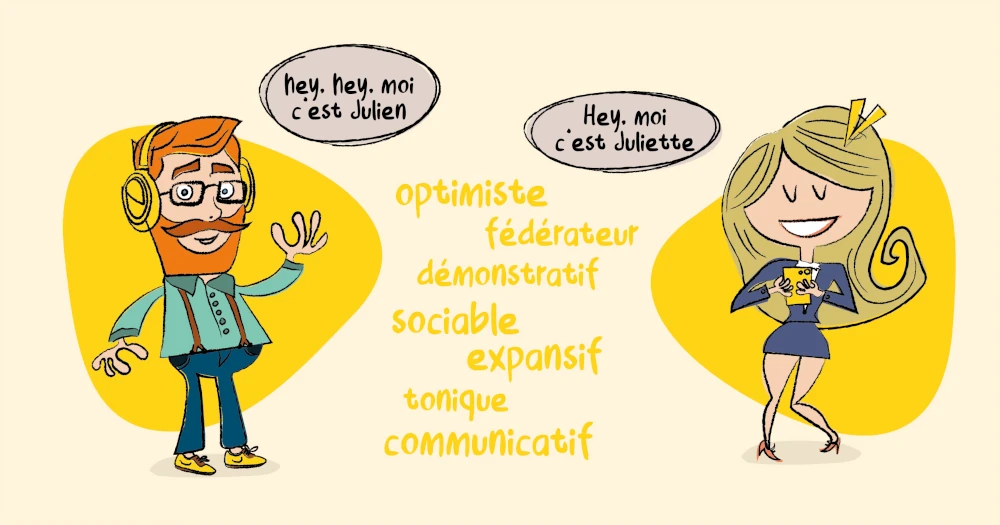
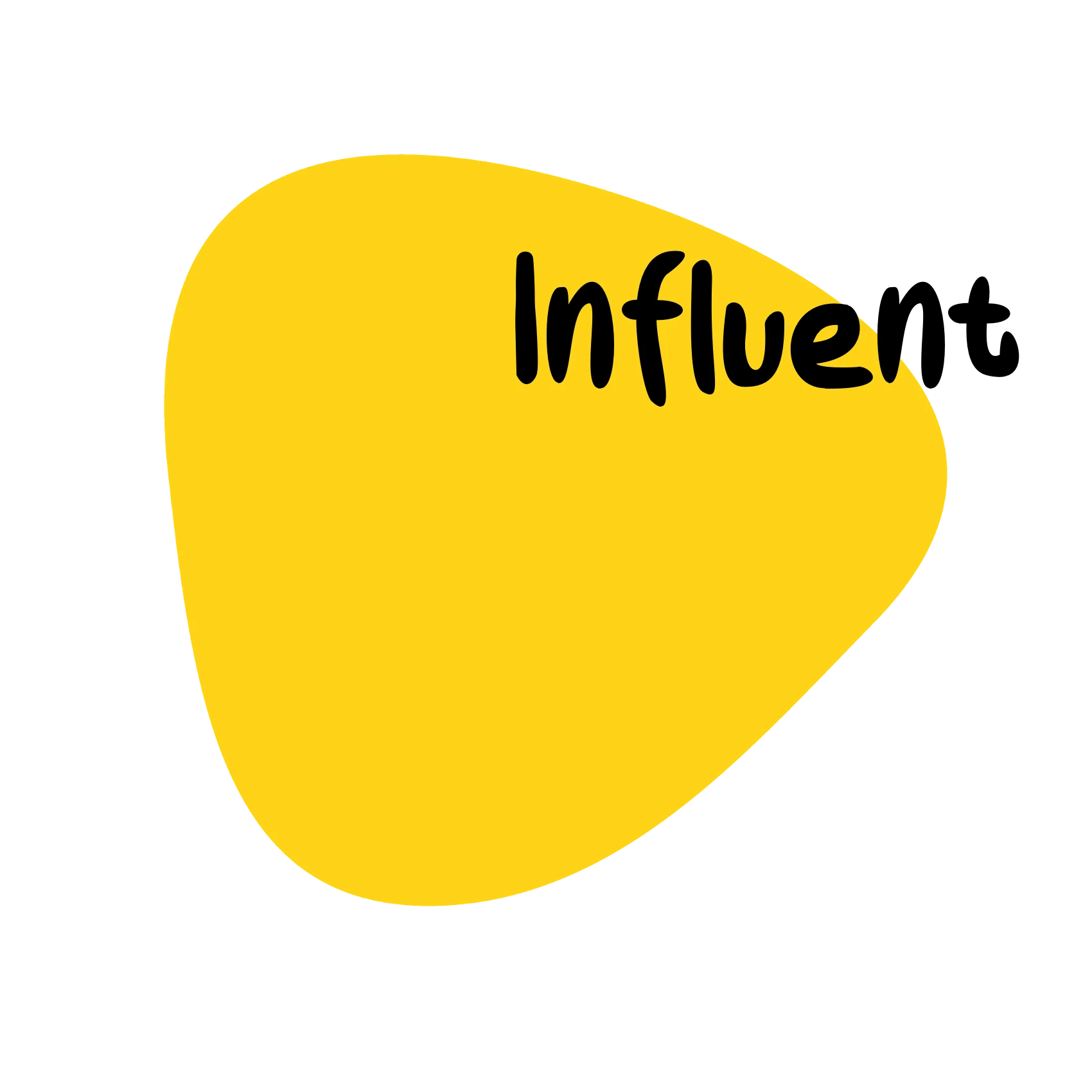
We can pick out Influential profiles due to:
- Their friendly, cheerful, sunny nature.
- Their interest in fashion and new trends.
- Their sociability and need for companionship.
- Their ability to collaborate, persuade and delegate.
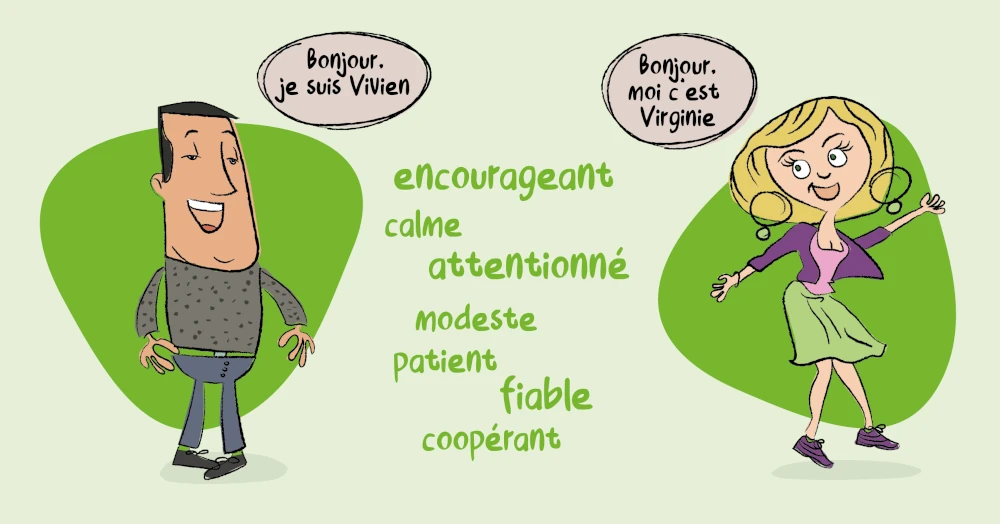
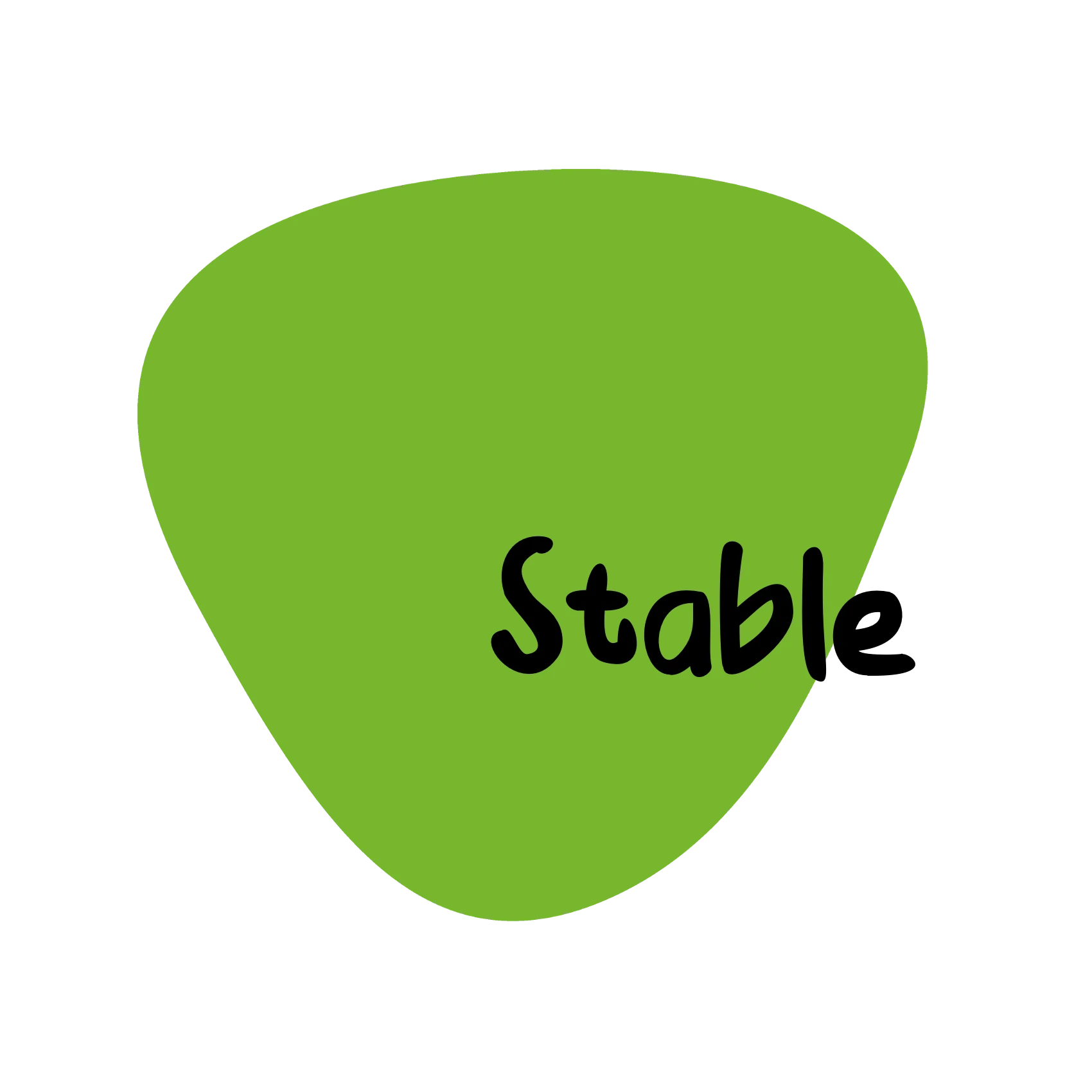
A Steady profile is appreciated for:
- Their loyalty, seriousness and determination.
- Their taste for work well done, without any fuss.
- Their altruism for loved ones or for a given cause.
- Their ability to listen, help and ease tensions.
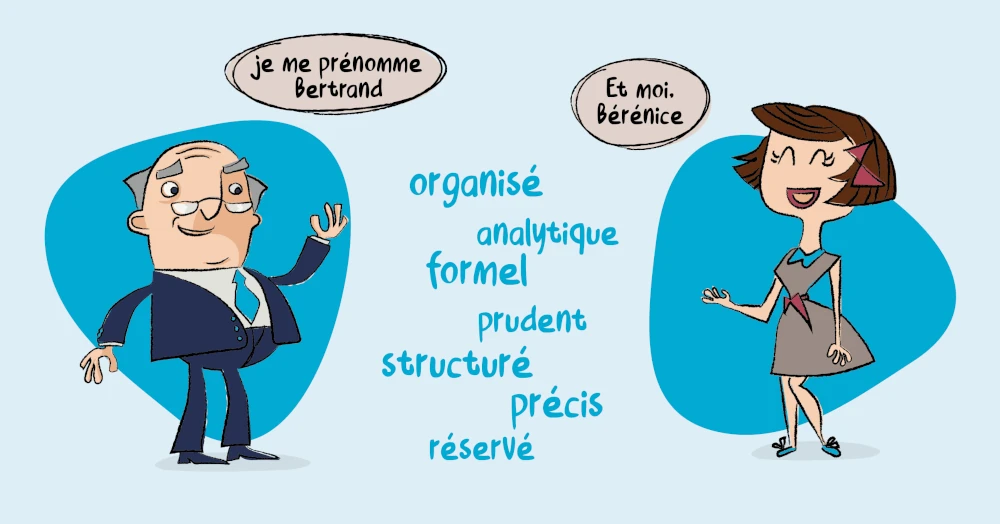
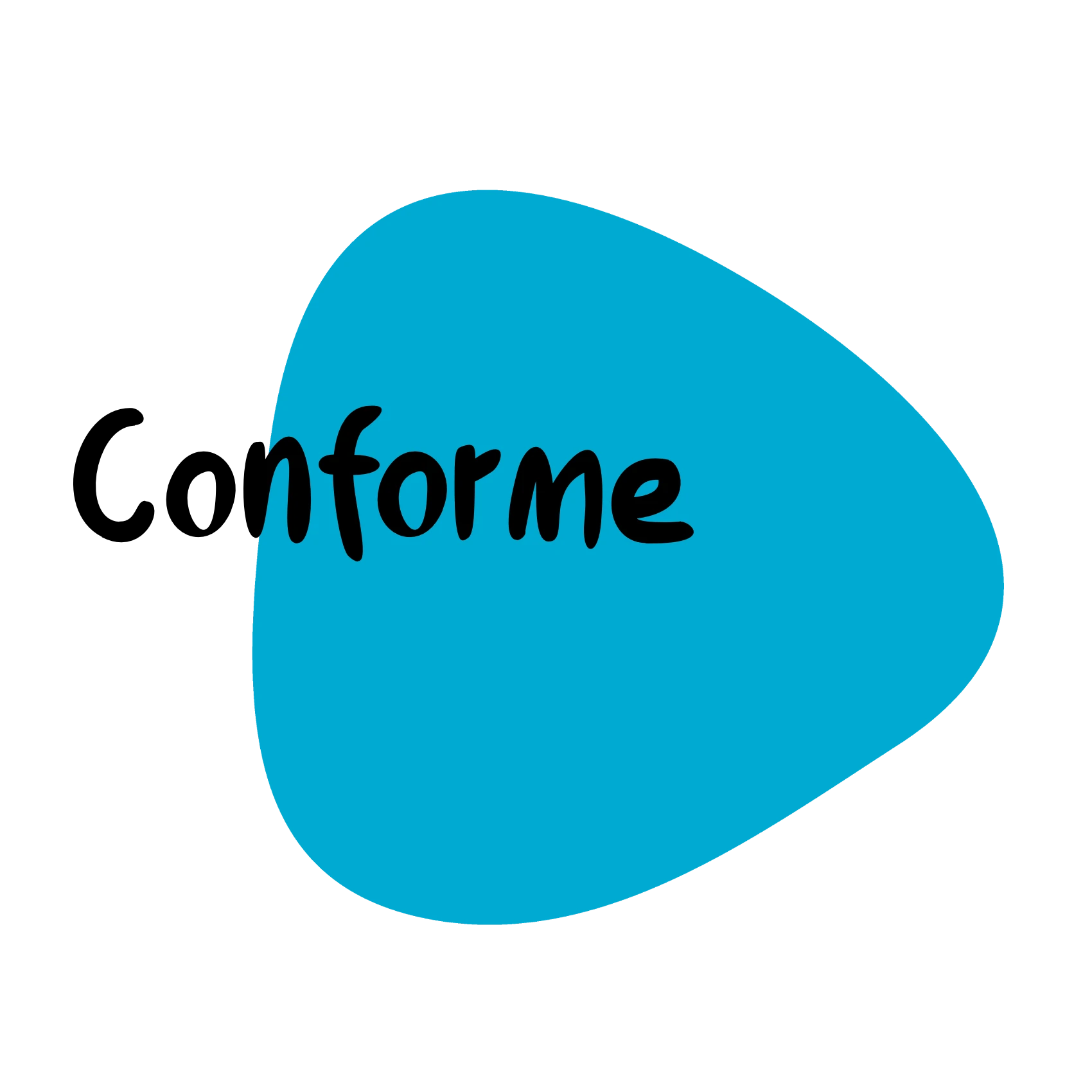
The Conscientious profile is associated with:
- Their ability to think before acting.
- Their taste for learning, understanding and looking at things in depth.
- Their quest for perfection and accuracy.
- Their autonomy and respect for procedures.
You'll notice that profiles in adjacent quarters share some similarities:
- People with Dominant and Influential natures are generally more extroverted, while those with Steady or Conscientious natures are more introverted.
- Steady and Influential profiles are similar in the attention they pay to human relationships, whereas Dominants and Conscientious focus more on tasks, even if this means neglecting what's around them.
On the other hand, quarters diagonally opposite each other are very different:
- People rarely have the authority of a Dominant profile in combination with the discretion of a Steady one.
- Likewise, the multi-tasking spirit of an Influential profile is rarely combined with the perfectionism of a Conscientious.
Accordingly:
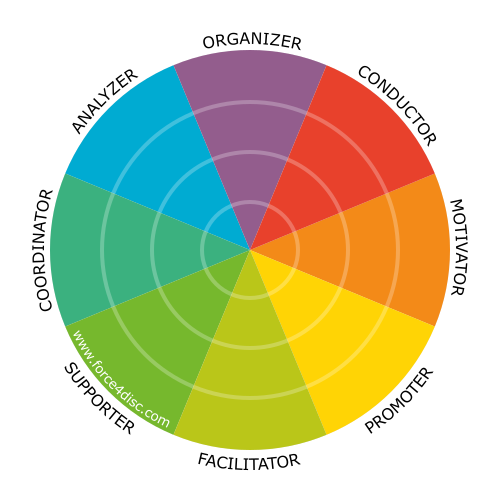
8 profile trends add depth and nuance to your results.
Organizer
Analyzer
Coordinator
Supporter
Facilitator
Promoter
Motivator
Conductor

Natural or Adapted,
what's the difference?
Natural behavior
Adapted behavior
These two complementary styles characterize you
6 driving forces
behind your actions.
Fulfillment
Truth
Altruism
Morality
Efficiency
Harmony
FAQ
DISC originated in 1928 with Emotions of Normal People, a book by American psychologist William Moulton Marston. In it, he described four ways of responding to one’s environment: Dominance, Inducement, Submission, and Compliance. An interesting detail: Marston also developed the blood pressure test that became the basis for the lie detector. He also created Wonder Woman in 1941.
Marston himself never designed a test. In 1956, Walter Clarke created the first questionnaire based on the model, intended for businesses. In the 1970s, John Geier further developed it. Since then, the model has been enriched by many practitioners. At FORCE4DISC, it is complemented by 8 tendencies and 6 motivations, going beyond the four letters.
People often refer to “color-based management” because each profile is associated with a color that makes it easier to remember:
- Red – Dominance: energy, action, goals.
- Yellow – Influence: enthusiasm, relationships, persuasion.
- Green – Steadiness: loyalty, listening, harmony.
- Blue – Conscientiousness: rigor, analysis, precision.
Be careful not to oversimplify: no one is simply “a red” or “a blue.” We all have all four colors within us, in different proportions. This combination is what shapes your profile, which is why we talk about nuances rather than labels.
Yes, and it is actually quite common. Many people have two components at almost the same level, for example Dominance and Influence, or Steadiness and Conscientiousness. This is exactly the role of the 8 tendencies: to describe these combinations rather than placing you in a single category. A Dominance-Influence profile does not behave like a purely Dominant profile: it also moves forward quickly, but brings others along with it.
If your results show two colors at similar levels, it does not mean the test has “failed.” It is a strength. You have two different behavioral registers and can shift between them depending on the situation.
Your natural profile changes relatively little. It develops through your upbringing and experiences and tends to remain fairly stable in adulthood. Your adapted profile, however, can change significantly: a new job, a new team, a period of intense pressure, or taking on new responsibilities.
A widening gap between the two deserves attention: it indicates that you are making significant efforts to adapt, which can sometimes be energy-consuming. Retaking the test after a major life or career change can help measure this gap and provide a basis for discussion, for example with a coach.
Under pressure, natural behavior tends to re-emerge, often in an exaggerated form, before potentially shifting completely toward the opposite color under higher levels of stress:
- The Dominant profile becomes authoritarian and impatient. It makes quick decisions and listens less.
- The Influential profile becomes scattered, overreacts, or seeks approval at all costs.
- The Steady profile withdraws and resists silently. It says yes, but may think otherwise.
- The Conscientious profile retreats into rules and becomes excessively critical and perfectionistic.
Knowing these patterns can make a real difference. You can identify your own warning signs earlier and stop taking a colleague’s reaction under pressure personally.
Observe two things: their pace (fast or measured) and their orientation (toward tasks or toward people).
- Fast and task-oriented > Dominant: gets straight to the point and wants results.
- Fast and people-oriented > Influential: gestures while speaking, tells stories, and laughs easily.
- Measured and people-oriented > Steady: listens, reassures, and avoids conflict.
- Measured and task-oriented > Conscientious: asks precise questions and wants evidence.
This assessment remains a hypothesis, not a verdict. It is enough to help you adjust the way you communicate. Only a test can provide a more nuanced understanding, including motivations.
- With a Dominant profile: be brief, direct, and results-oriented. Offer options, not details.
- With an Influential profile: build rapport first. Show enthusiasm and let them speak. Then confirm things in writing!
- With a Steady profile: take your time. Explain why, provide reassurance about changes, and avoid rushing them.
- With a Conscientious profile: come prepared. Bring facts, figures, and a clear structure, and give them time to think.
The golden rule: do not try to change the other person; adapt your own style so that you can be heard. This is the purpose of our training programs.
The DISC profile shows the relative place of each of the four components—Dominance, Influence, Steadiness, and Conscientiousness—in the way you function. A tendency refines this interpretation by describing the dominant combination within your profile, among 8 possibilities. Examples include Organizer (Conscientiousness-Dominance), Facilitator (Influence-Steadiness), and Motivator (Dominance-Influence).
Two people with a predominantly Steady profile may not have the same tendency depending on their second component. One may be a Supporter, focused on harmony. The other may be a Coordinator, more methodical. The profile gives the main color; the tendency provides the nuance.
Because DISC describes how you act, while motivations explain why. Two Dominant profiles may move forward with the same energy. One may seek recognition (Achievement), while the other focuses on return on investment (Efficiency). Their behavior may look similar, but what drives them is completely different.
The 6 motivations measured by FORCE4DISC—Achievement, Truth, Humanism, Morality, Efficiency, and Harmony—complement the DISC analysis. In management, this is often where the key lies: it is difficult to motivate someone effectively if you only know their behavioral style.
These three tools do not focus on the same things.
- DISC describes observable behaviors: how you act and communicate. It is easy to remember and can be applied directly within teams.
- MBTI, inspired by Jung’s psychological types, describes preferences in mental functioning, divided into 16 types.
- The Enneagram describes 9 types structured around deep motivations and core fears. It is more oriented toward self-development.
None is “better” than the others. DISC has one very practical advantage: you can start applying it in a meeting the very next day.